Getting Started With Soft Pastels
The word pastel derives from the Latin pastellus, meaning 'paste'. It refers to a paste of powdered pigments, water, and a water-soluble binder used to make soft pastel sticks.
Soft pastel is an uncomplicated medium that provides artists with a degree of immediacy. There is no need for brushes or palettes; the artist simply applies the pigment directly onto the paper.
The disadvantage of soft pastels is that you can't mix colors. So if you want a green, you have to buy a green. If you want a yellowish green, you have to buy a yellowish green, and so on. Soft pastels are not cheap, so the price adds up quickly.
My advice on getting started:
It's better to have a few good quality pastels rather than a lot of poor quality pastels. Cheaper varieties have more fillers and less pigment. They produce less vibrant color and don't blend as well.
You can reduce costs by buying sets of half sticks. These sets are available with different subjects in mind. For example, landscape sets, portrait sets, etc.
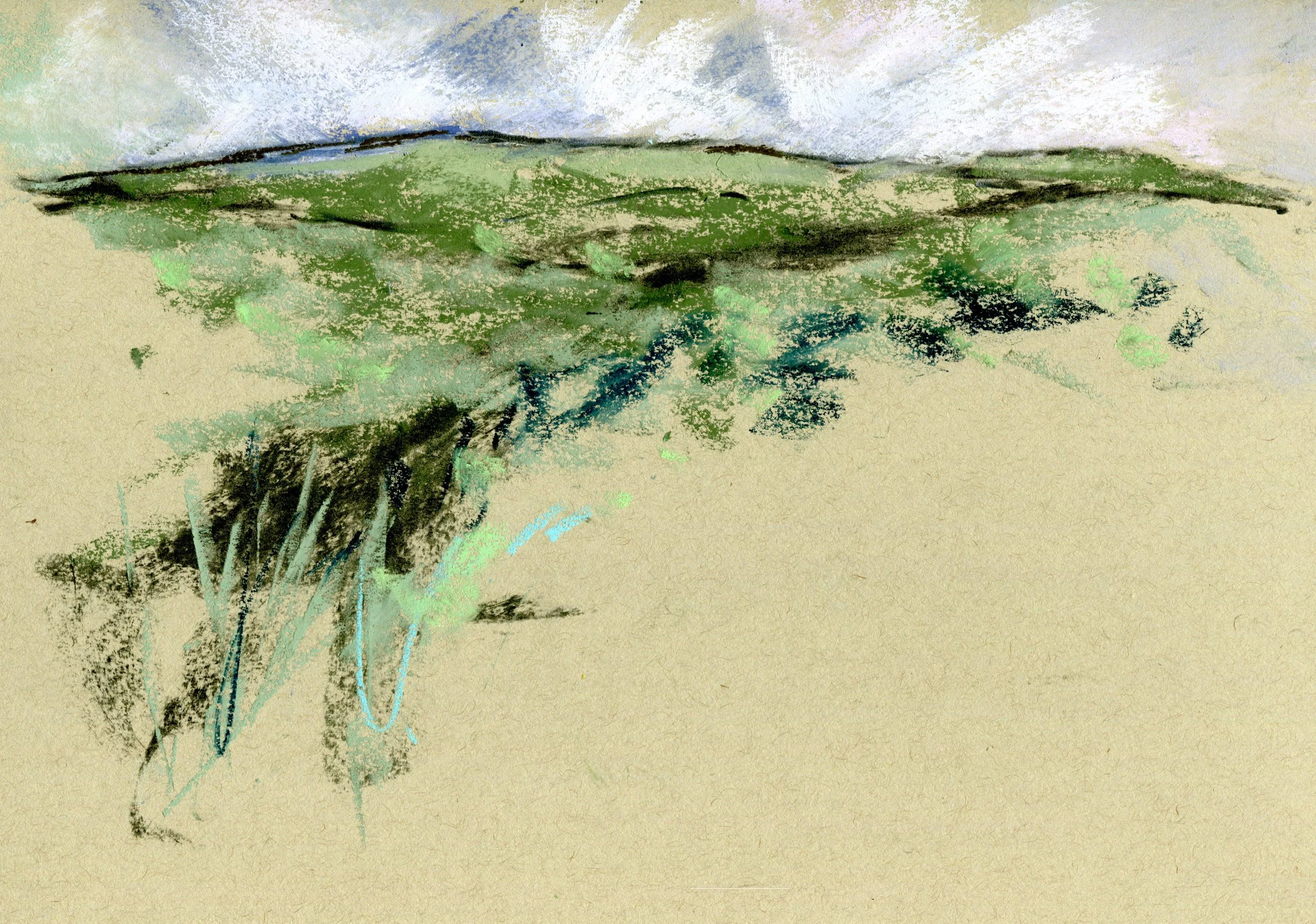
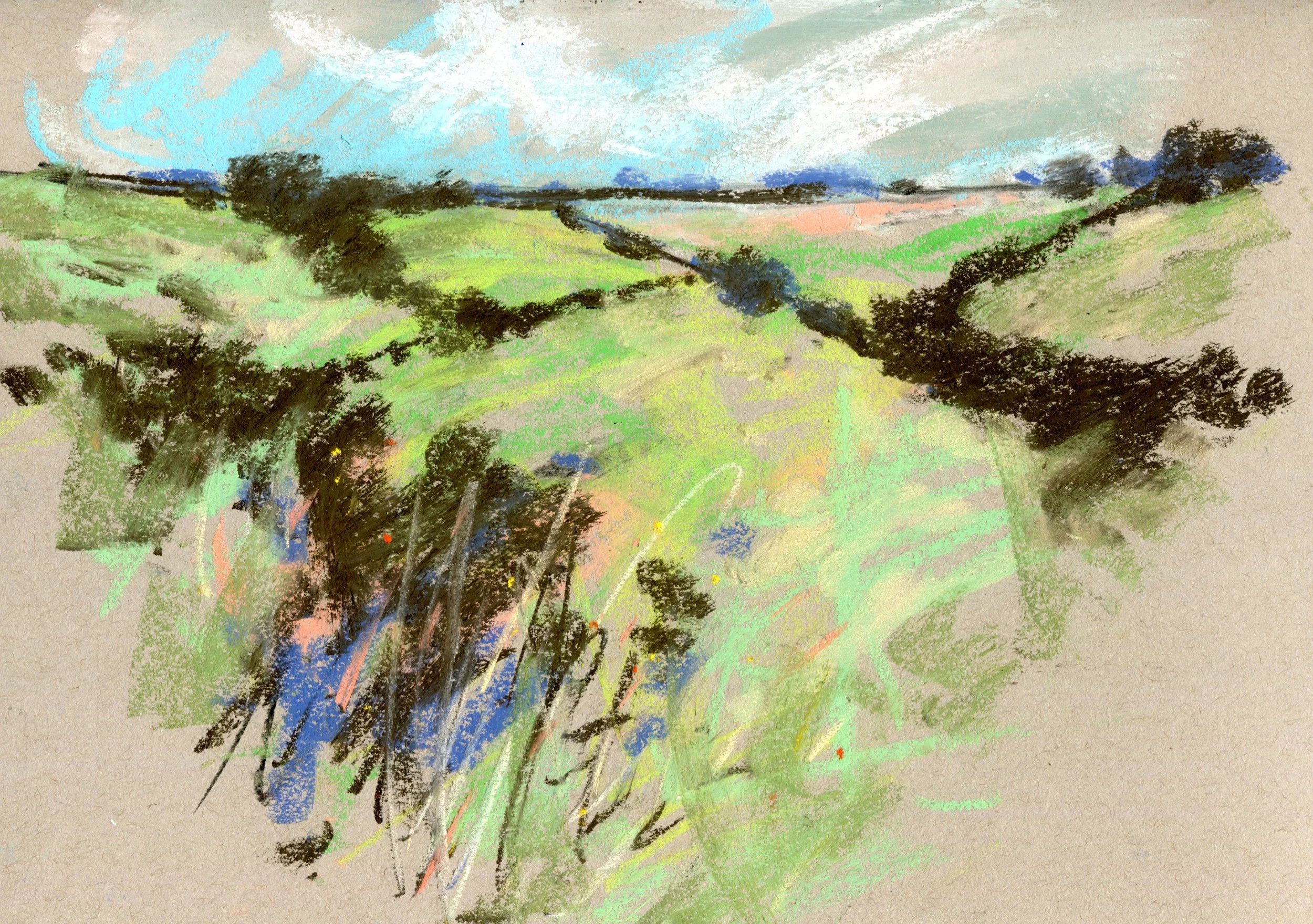
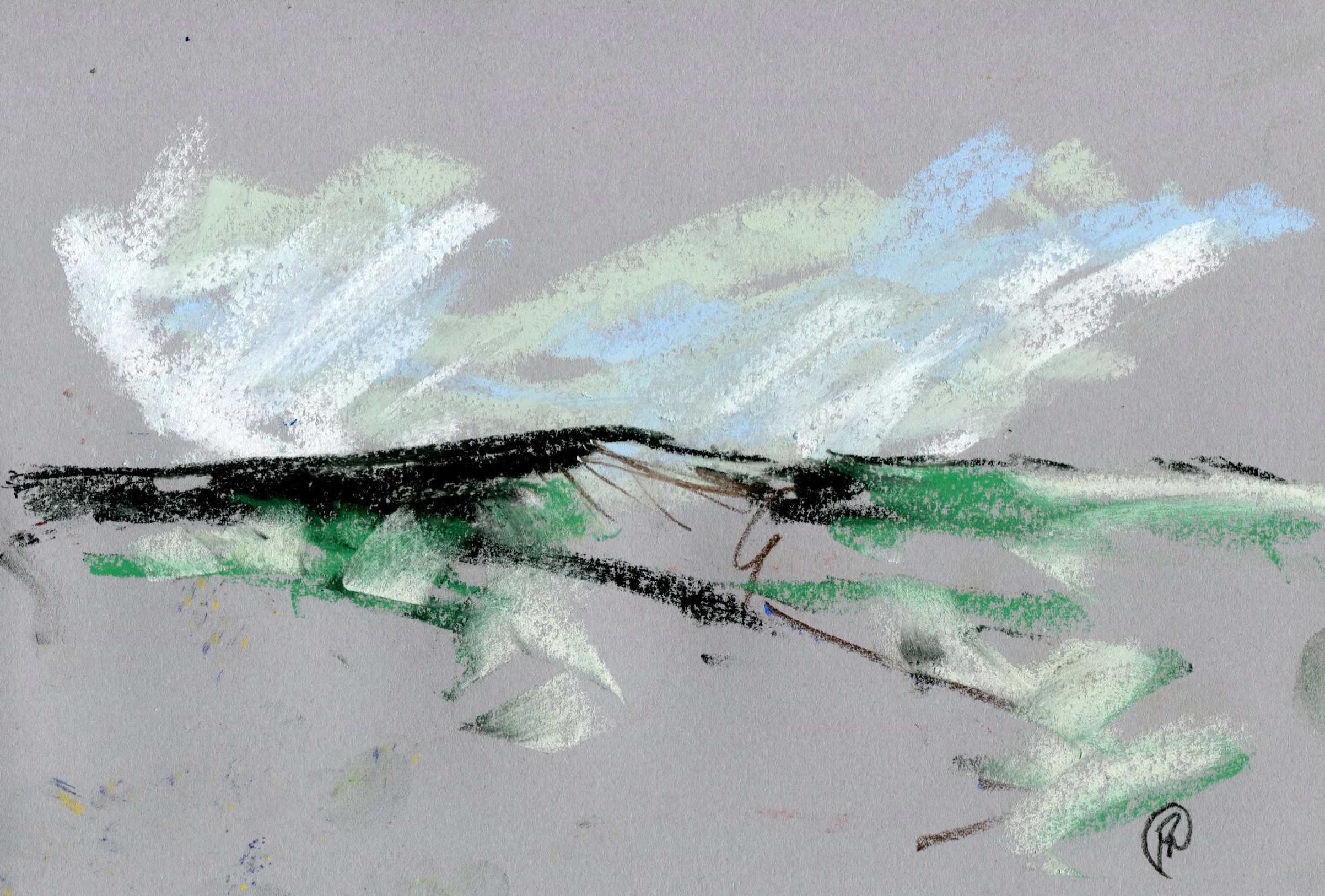
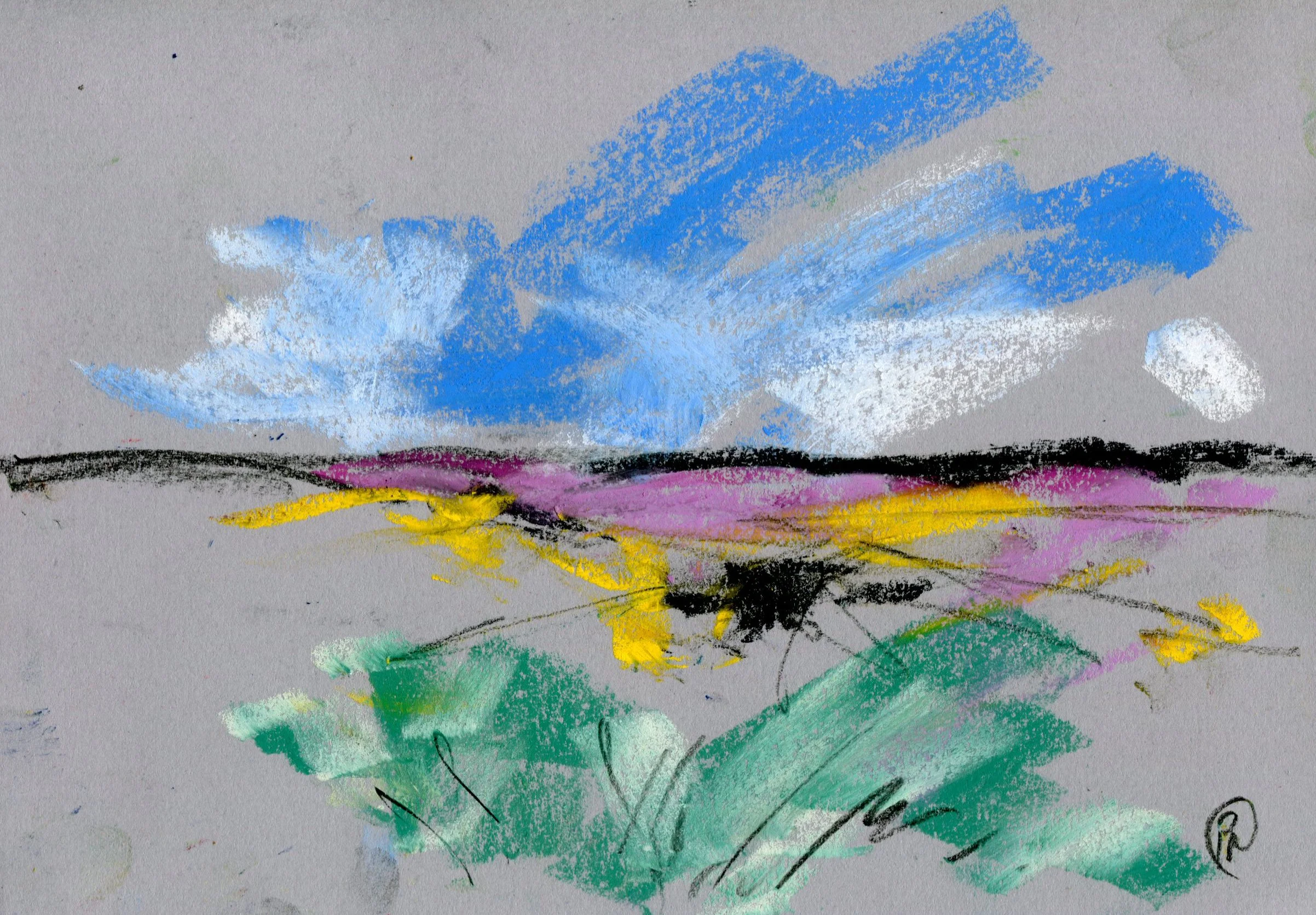
Artists often use soft pastels on special pastel paper. This specialist paper is available in two varieties: coated and textured. Coated papers have a sandy surface or a special acrylic coating with a porous surface. These papers allow you to build up complex layers of color. Textured papers have a soft, fibrous surface. Both paper varieties are usually available in different colors. I don't use either of these papers. Instead, I use regular toned drawing paper. My style doesn't require layers of color, so I can use cheaper drawing paper.
I recommend Schmincke soft pastels. I find them to be soft and vibrant, and they are great for impressionist and expressionist art. Sennelier soft pastels are also good, but the quality is less consistent.